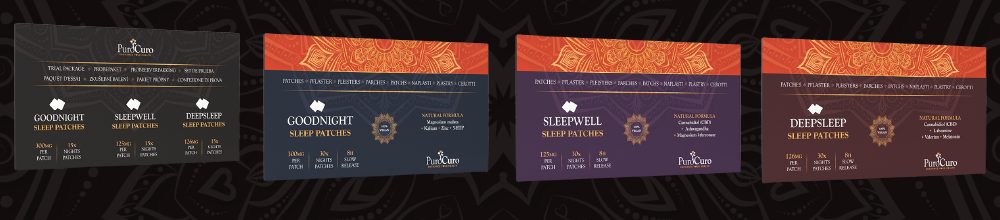
A large number of people suffer from a magnesium deficiency. According to some studies, approximately half of the population is affected. This deficiency can hinder a good night's sleep. Magnesium influences metabolism and mood, and helps to alleviate stress. It also promotes deeper sleep, which contributes to your overall health.
Insomnia
Everyone has a bad night's sleep from time to time, but for some, insomnia becomes a persistent problem—for instance, when they struggle to fall asleep. While magnesium does not act as a sleep aid, it can positively influence the quality of your sleep. It has a relaxing effect on the nervous system; when you are relaxed, you fall asleep faster and sleep more deeply. Beyond promoting relaxation, magnesium also plays an important role in the production of melatonin, the "sleep hormone."
Causes of insomnia
Insomnia can stem from various causes. It may arise during a stressful period or following an emotionally charged event, such as a divorce or the loss of a loved one. Poor sleep can create a vicious cycle: as your sleep quality deteriorates, you may become frustrated and stressed at the prospect of another restless night—and this stress, in turn, keeps you awake even longer. Furthermore, insomnia can lead to poor sleep habits, such as taking daytime naps, spending too much time in bed, or relying on sleeping pills or alcohol to drift off. These behaviors only exacerbate the problem. Fortunately, there are natural solutions for insomnia, such as the use of magnesium supplements.
What is magnesium?
Magnesium is an essential mineral that plays an indispensable role in your body. For example, magnesium is involved in more than 300 bodily reactions and affects muscles, nerves, the immune system, bones, teeth, and the heart, among other areas. Many people are at risk of a magnesium deficiency. You fall into a high-risk group if you are over 50, consume excessive amounts of alcohol, or have diabetes or a metabolic disorder. Even with a healthy diet, it is possible to have a magnesium deficiency. You can address this through the right foods or by taking a dietary supplement. Magnesium can be found in dark leafy greens, seeds and nuts, dairy products, meat, coffee, and dark chocolate.
Improve your sleep with magnesium
If you occasionally have trouble falling asleep or staying asleep, magnesium may help improve your state of mind. Transdermal administration (via a sleep patch) is the most effective method of absorption, increasing bioavailability to approximately 65%. In contrast, oral products must first be digested by the body, resulting in a bioavailability (the amount actually absorbed by the body) of only about 15%.