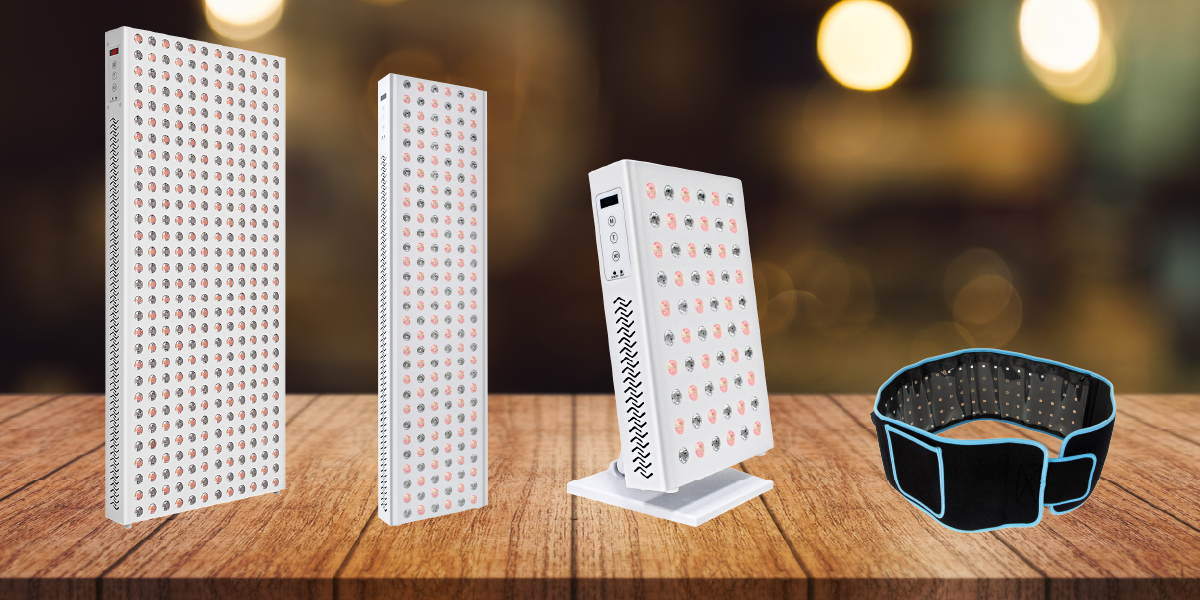
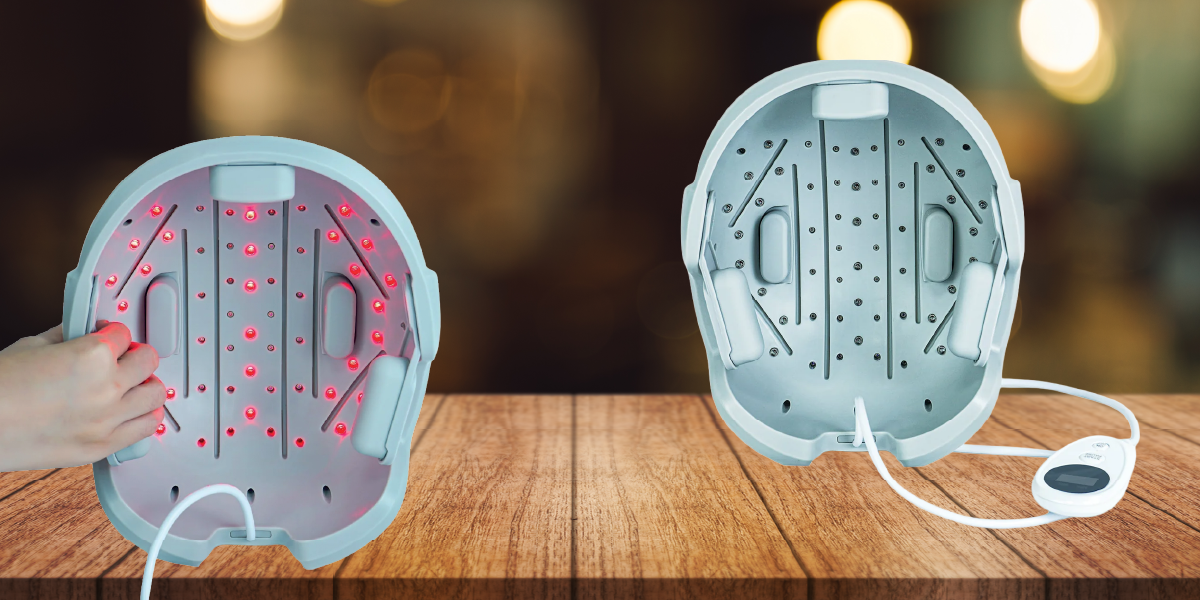
The potential of red light to treat various health and aesthetic issues is only just beginning to gain recognition, thanks to the interest of researchers, universities, and hospitals, as well as the emergence of at-home devices that make it more accessible.
Red light therapy (RLT) is a form of photomedicine—defined as "the use of light to treat skin conditions and other health issues"—says Dr. Jared Jagdeo, founder of the Center for Photomedicine at SUNY Downstate Health Sciences University in Brooklyn, New York.
The History of Red Light Therapy
Another term for this type of therapy is photobiomodulation (abbreviated as PBM), explains Praveen Arany, a doctor of dental surgery, associate professor at the University of Buffalo, and interim director of the Center of Excellence for Photobiomodulation at Shepherd University in Shepherdstown, West Virginia. Other terms used to refer to it include low-level laser therapy (LLLT), photostimulation, and cold laser therapy, he notes.
Phototherapy has been around for more than 50 years. It was discovered by Hungarian physician Endre Mester in the 1960s, when scientific experiments using red lasers on rats resulted in hair growth and wound healing, according to a research paper published in the *Journal of Biophotonics* in December 2017. For many years, light therapy was largely dismissed as pseudoscience.
However, with new—though sometimes conflicting—research, the scientific community is beginning to take notice. "Currently, red light therapy is still considered unconventional science in the United States. But an increasing number of academic and clinical centers are adopting the technology and making it available to patients," says Dr. Arany. Currently, there are centers—such as the one at Shepherd University—dedicated to educating healthcare professionals and scientists about the legitimacy of PBM (photobiomodulation) as a clinical treatment.
There are also professional organizations, such as the North American Association for Photobiomodulation Therapy (NAALT) and the PBM Foundation. One of the most popular applications of red-light phototherapy is skincare, and the availability of affordable at-home devices has further increased its popularity.
How red-light phototherapy works
Photobiomodulation uses light with a specific wavelength, ranging from 400 nanometers (nm) (blue) to 1,200 nm (near-infrared), explains Arany. According to the National Center for Atmospheric Research[2], red light has a wavelength between 620 and 750 nm; it is visible light.
Blue, green, and red light have been used effectively for photobiomodulation, he states. Near-infrared light—which has a longer wavelength (up to 1,200 nm)—is also used in this field and is available in infrared saunas. Although it might appear red, near-infrared light is actually invisible; it heats the body from within to trigger physiological changes.
Red-light therapy, in particular, has gained popularity in recent years and is perhaps the best-known and most accessible form. "Red-light devices are easier to manufacture and are available everywhere," says Arany.
How does it work?
According to the American Society for Laser Medicine and Surgery[4], when photons (light particles) are applied near the skin, they penetrate the tissue and activate chromophores—the parts of a molecule[3] that give it its color—thereby triggering changes within the cells. Furthermore, red light therapy also affects the mitochondria (the powerhouse of the cells), generating ATP (energy) to promote healing, according to the PBM Foundation.
For red light phototherapy to be effective, specific protocols and dosages must be used, depending on the health issue being addressed. If possible, seek this treatment at a hospital, university, or clinical center. It is not recommended to undergo red light therapy at beauty salons or spas.
Red light devices can be purchased for at-home skincare use; they are generally safe, provided they are used as directed, states Dr. Jagdeo.
Types of red light therapy
Red light phototherapy devices feature red LED lights and come in various forms—such as handheld units, LED panels, or full-body beds—depending on the purpose of the treatment. Some devices utilize both red light and near-infrared light.
Enhancing a youthful skin appearance
One of the most frequently cited benefits of red light phototherapy concerns its effects on the skin. It can be used for:
- Skin firming (collagen production)
- Acne
- Fine lines and wrinkles
- Hair growth