People with acne need a good skincare routine to combat acne and treat their skin. Today, there is a new, highly promising, and scientifically proven therapy: red light phototherapy. The good news is that this phototherapy is painless, non-invasive, and has no side effects.
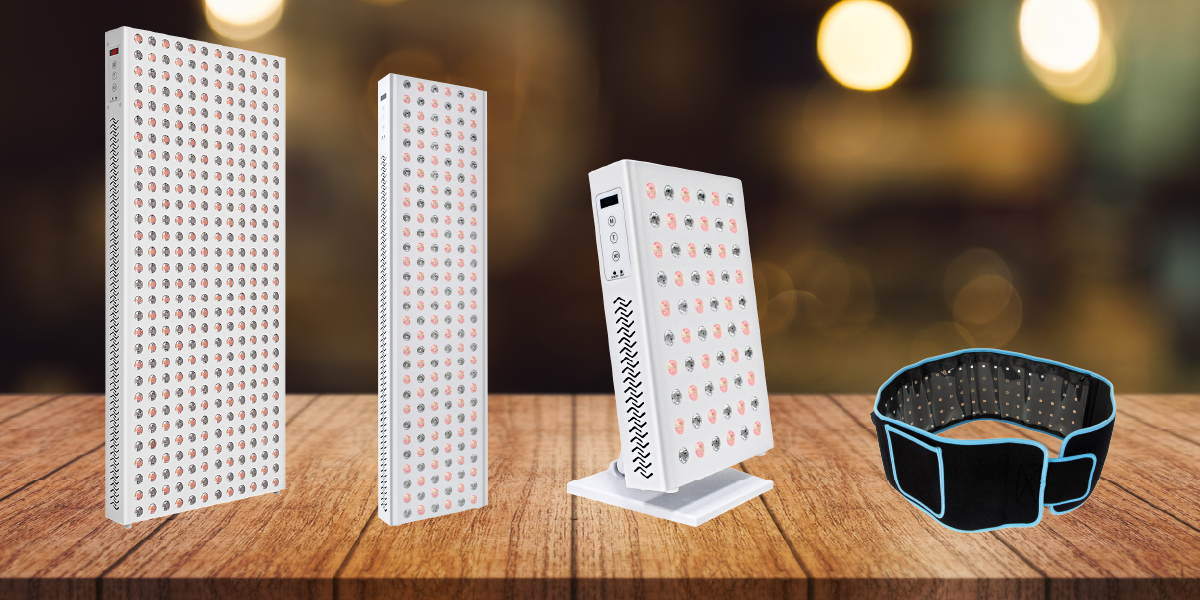
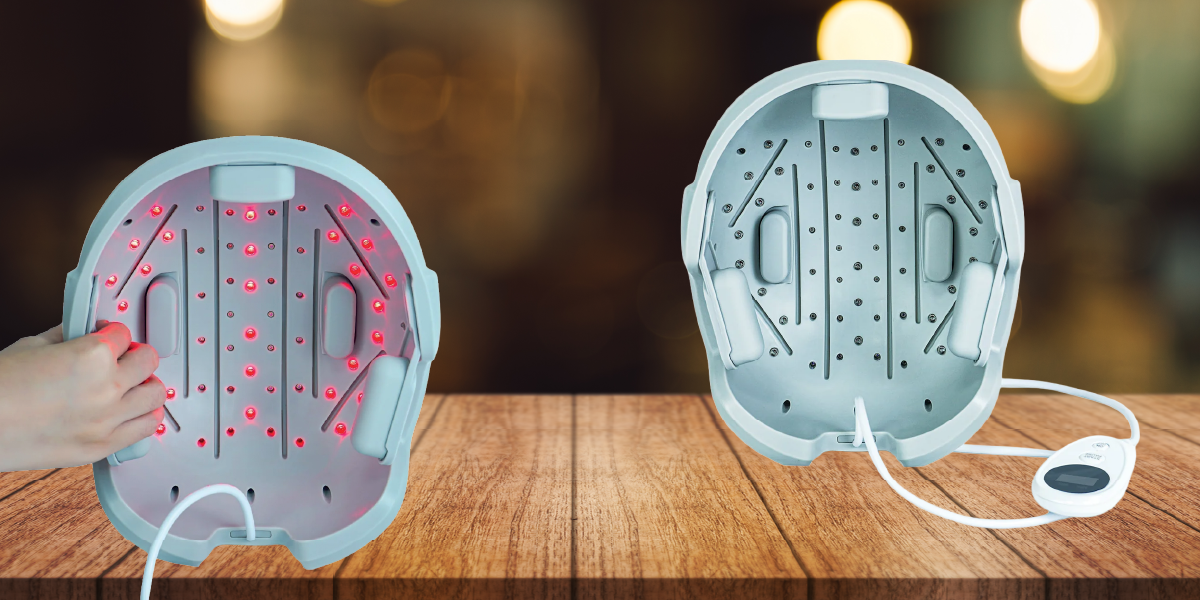
Professional-grade, at-home red light treatments—using various devices and LED technology—offer incredible benefits for the skin. They help boost collagen production, improve skin firmness and elasticity, and enhance skin texture. Combining red and blue light therapy can help eliminate existing acne, prevent new breakouts, reduce cysts, and clear up blackheads and whiteheads.
Scientific Evidence
According to the *Journal of Dermatologic Surgery* (citing work by Dae Hun Shu), visible light—including red light therapy—is an effective solution for treating mild to moderate acne. Red light phototherapy can help improve both inflammatory and non-inflammatory acne lesions.
Dr. Dendy Engelman, a qualified dermatologist in Manhattan, explains that combining red and blue light therapy is an effective solution for acne. She further explains that blue light acts on the skin's surface layer to eliminate acne-causing bacteria, clear pores, and regulate oil production. Red light phototherapy, meanwhile, penetrates deep into the skin to reduce inflammation caused by acne.
A study by Jiahua Li, published in *Photodermatology, Photoimmunology & Photomedicine*, compares the efficacy of red and blue light in treating *acne vulgaris*. The study demonstrates that both treatments are effective and safe methods for addressing acne, with red light therapy offering numerous benefits and minimal side effects. People are becoming increasingly aware of the use of red-light phototherapy on the skin and its transformative effects on various skin conditions. Dr. Azza Halim, a qualified anesthesiologist, explains that various social media platforms are helping to make red-light therapy a popular form of treatment.
Does blue-light phototherapy work for acne?
Blue-light phototherapy is a safe, painless, and non-invasive form of light-based treatment. Blue light acts on the top layer of the skin to eliminate acne-causing bacteria, clear pores, and regulate oil production. Blue light contains no ultraviolet radiation and has only mild side effects on the skin. The American Academy of Dermatology supports the efficacy of light-based treatments—including blue light—for acne. Although results may vary from person to person, those who have used blue light have reported significant improvements in their acne: existing acne cleared up, the skin became more even and clear, and no new acne formed.
Research by Akira Kawada, published in the *Journal of Dermatologic Science*, reveals that high-intensity blue-light therapy is effective for treating mild to moderate acne. Patients treated with blue light reported a reduction in acne lesions within about 5 weeks.
When used as recommended, blue-light therapy is safe; it is drug-free, carries no adverse side effects, is harmless to all parts of the body, eliminates acne-causing bacteria, and does not cause scarring.
How does red-light phototherapy help improve acne?
Red-light phototherapy utilizes light technology to provide therapeutic benefits, including anti-inflammatory effects and the promotion of skin healing. Red-light phototherapy can be helpful for skin conditions such as severe acne, acne vulgaris, and inflammatory acne. Red light phototherapy uses wavelengths that penetrate deep into the skin to improve blood circulation, reduce inflammation, and stimulate cellular activity. The process is used to treat acne and skin lesions, and to promote healing. Red light therapy not only treats acne but also shows promise in improving the appearance of acne scars.
A study by Susan Pei, published in the *Indian Dermatology Online Journal*, supports the use of laser and light-based therapies for treating acne vulgaris, noting that these methods are safe and carry fewer complications. The study further states that red light therapy can be helpful for chronic inflammatory acne in both adolescents and adults.
Additionally, red light phototherapy can promote skin rejuvenation, boost collagen production, and help prevent acne scarring. Consistent red light treatment can support wound healing and be used to treat acne, depending on its severity.
The science behind blue and red light phototherapy for acne
There is scientific evidence supporting the efficacy of this approach for the skin. The power of red-light phototherapy in treating acne is backed by cutting-edge research. Studies have shown that red-light phototherapy utilizes light with a wavelength ranging from 620 nm to 720 nm.
It penetrates deep into the skin, reaching the underlying tissues and sebaceous glands. It treats severe acne, regulates oil production, reduces the appearance of scars, and prevents the formation of new pimples. Red-light phototherapy can also boost collagen production and improve blood circulation.
Blue light, on the other hand, combats *Propionibacterium*—the bacteria responsible for acne. Since these bacteria are sensitive to blue light, they are effectively reduced, helping to prevent acne breakouts. In her research, published in the *Annals of Family Medicine*, Anna Mae Scott explains that blue-light therapy serves as an alternative method for treating acne, as opposed to using antibiotics.
Combining Blue and Red Light
The combination of red-light and blue-light therapy is effective for both *acne vulgaris* and inflammatory acne. Red light penetrates deep into the skin to soothe inflammation and promote wound healing, while blue light acts on the epidermis to eliminate acne-causing bacteria.
Research by Susan Pei, published in the *Indian Dermatology Online Journal*, confirms that FDA-approved red and blue light are effective in treating acne lesions when used in combination. Blue light, with a wavelength of 415 nm, targets the dermis, while red light, with a wavelength of 630 nm, penetrates deep into the skin.
Actress Julianne Moore incorporates phototherapy into her skincare routine and advocates for innovative practices in this field. Moore, known for her radiant complexion, attributes her skincare success to the strategic use of red light therapy devices. Her approach aligns with the growing trend of using red light therapy for various skin conditions.
Conclusion
Acne is a common skin condition that can be managed with oral and topical treatments, including LED light therapy. Light therapy is a safe and innovative treatment option for individuals with mild to severe acne.
Using red light, blue light, or a combination of both can help control acne. This is because these two types of light work in different ways to combat acne, as they utilize light at different wavelengths. The good news is that light therapy is painless, non-invasive, and does not cause side effects.