Psoriasis is a skin condition characterized by symptoms such as inflammation, itching, dryness, and cracking. However, psoriasis is an autoimmune disease that causes the body to attack healthy cells, leading to their uncontrolled growth and resulting in symptoms like raised lesions, scaling, or plaques. While the condition can appear anywhere on the body, it is most likely to occur on the knees, elbows, lower back, and scalp.
Red Light Therapy and Psoriasis
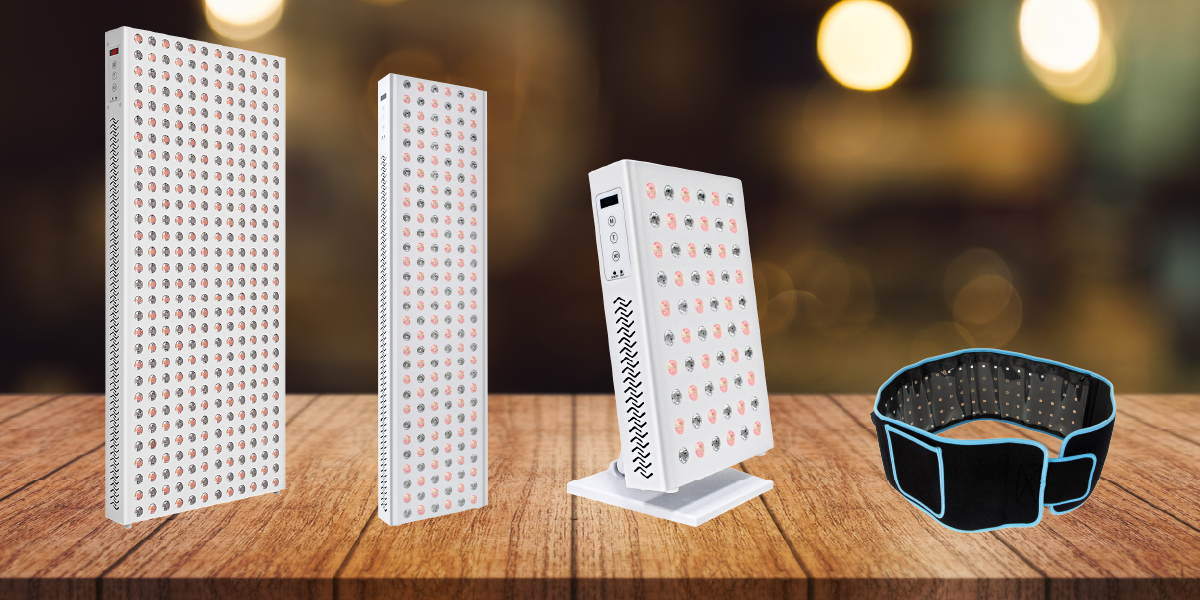
One of the best current treatments for psoriasis is red light therapy. This method uses LED laser diodes on the skin to reduce inflammation and promote deep healing. Red light therapy can decrease inflammation, facilitate the repair of damaged tissue, and restore the skin barrier.
How Does Phototherapy Work in Treating Psoriasis?
LED phototherapy delivers photons into the body at varying depths, depending on the wavelength used. Blue light, for instance, operates at wavelengths of 450–495 nm and acts primarily on the surface.
Red light has wavelengths of 620–750 nm and penetrates slightly below the skin's surface. Infrared light falls within the 780–1000 nm range and penetrates deeper into the body to facilitate powerful healing.
Low-intensity phototherapy enhances cellular performance, increases the number of fibroblasts, and opens mitochondrial pathways. It is excellent for the production of collagen and elastin. Red light phototherapy is particularly effective at reducing inflammation and pain associated with scars or surgical procedures, as well as skin conditions such as dermatitis, eczema, and rosacea. Scientific Studies
A research review conducted by Daniel R. Opel, MD, Erika Hagstrom, and others, published in *The Journal of Clinical and Aesthetic Dermatology*, examined the benefits of various LED wavelengths.
They found that specific benefits vary depending on the wavelength and generally include wound healing, skin rejuvenation, the reduction of acne and wrinkles, and the prevention of sunburn.
LED light therapy delivers energy photons to cells, stimulating the mitochondria to produce more adenosine triphosphate (ATP). ATP provides cellular energy throughout the body, and increasing its levels offers a range of benefits for treating various medical and skin-related issues.
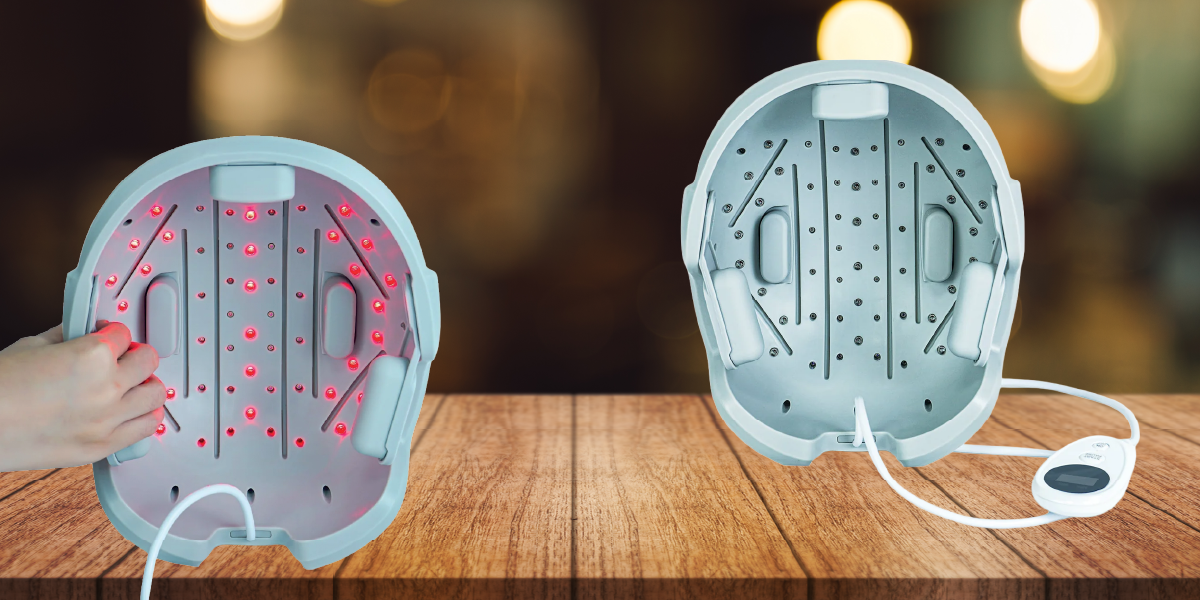
Research shows that it can significantly reduce inflammation and itching associated with various conditions, heal psoriasis plaques, and, in some cases, treat scalp psoriasis.
As explained by dermatologist and Harvard professor Elizabeth H. Page, MD: "Phototherapy works by clearing out the white blood cells that cause inflammation; therefore, phototherapy is anti-inflammatory."
Can red light therapy (RLT) cause cancer?
There may be concerns regarding the risk of skin cancer with any form of phototherapy. RLT is not associated with an increased risk of skin cancer. This therapy is very different from exposure to UV light, which is known to contribute to the development of skin cancer.
Does red light therapy help with psoriasis?
Depending on its severity, psoriasis is often resistant to conventional treatment methods. How effective is phototherapy for psoriasis? Research on the benefits of LED light for improving the condition is quite positive.
A research review by Ping Zhang and Mei X. Wu, published in *Lasers in Medical Science*, demonstrated the efficacy of red light and near-infrared (NIR) light for psoriasis, noting their deep penetration and healing effects. A study published in the Journal of the European Academy of Dermatology and Venereology by MM Kleinpenning demonstrated the efficacy of blue and red light for psoriasis.