You may have heard the term "rosacea," but are you familiar with the details of this skin condition? Rosacea is a skin condition that primarily affects the face—most notably the cheeks, nose, and forehead—though it can also appear on the chin, ears, or around the eyes.
Sometimes misdiagnosed as acne, this skin issue causes symptoms such as redness and flushing, inflammation, pimples, and visible blood vessels. Dermatologist Dr. Jason Thomson explains:
"Rosacea is an inflammatory skin disease that often causes flare-ups in adults. You might have had perfect skin as a teenager, only to develop pimples as an adult. This could be due to rosacea rather than acne, as is sometimes mistakenly assumed."
Although rosacea is difficult to cure, there are treatments that can effectively reduce its symptoms. According to Dr. Thomson:
"Treating rosacea depends largely on an individual's specific characteristics and symptoms. It typically involves a combination of lifestyle adjustments, prescription creams (and, in some cases, oral medication), a skincare regimen tailored for rosacea, and laser therapy. The goal of treatment is to manage the symptoms."
Is red light therapy effective for rosacea?
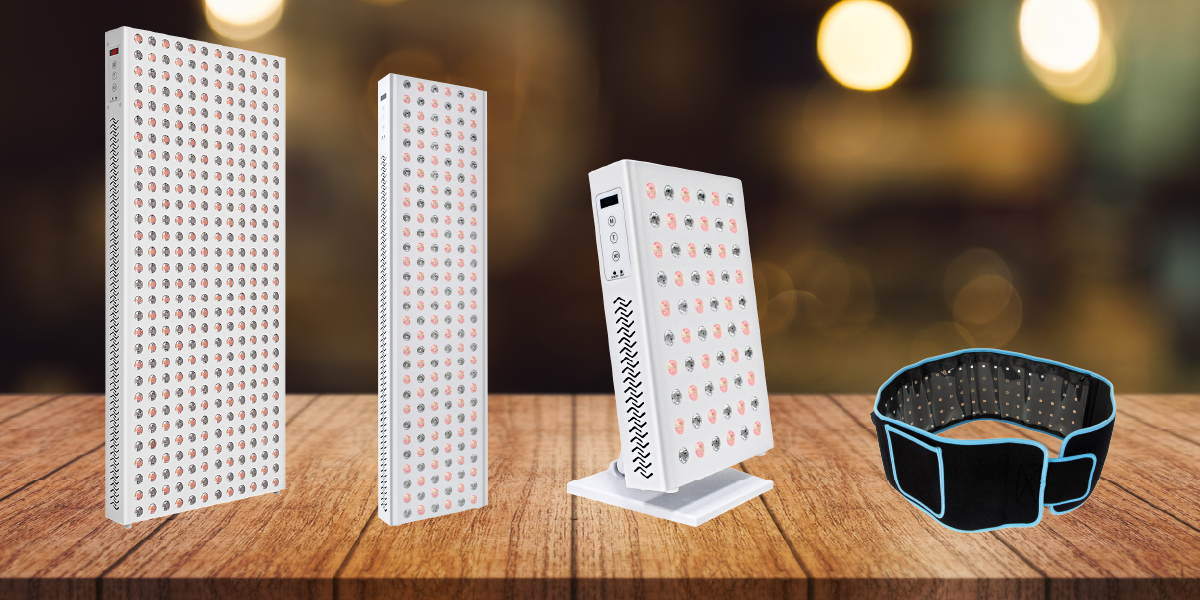
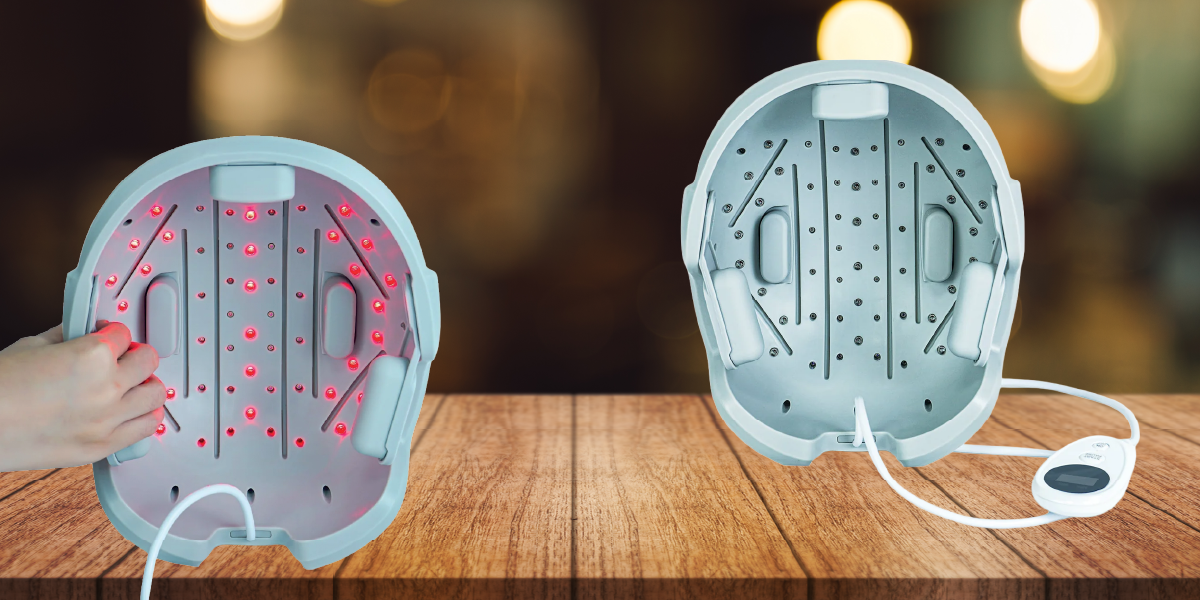
Research shows that low-level light therapy can help reduce the symptoms of this skin condition. You can receive this treatment at a dermatology clinic, but it is also possible to use red light therapy for rosacea at home.
How can red light therapy help with rosacea?
As described in our Kala Red Light review, LED light therapy works by delivering light photons deep into the mitochondria of cells, which stimulates increased ATP synthesis. This provides cellular energy to the body, which leads to a range of health benefits, including the treatment of skin conditions such as rosacea.
A research review published in *Lasers in Medical Science* by Elisabetta Sorbellini, Mariangela Rucco, and Fabio Rinaldi cites evidence for the successful use of red LED light therapy for rosacea.
This technology helps reduce inflammation, heals and repairs damaged tissue, diminishes visible blood vessels, and prevents skin thickening. It also eliminates acne-causing bacteria, thereby reducing pimples and preventing breakouts.
A study published in the *Journal of the American Academy of Dermatology and Venereology* by L.E. Bryld and G.B.E. Jemec demonstrated that photodynamic therapy was beneficial in treating rosacea in patients suffering from the condition.
Dr. David Hill, a plastic surgeon and medical director at Fulcrum Aesthetics & Surgery, explains how red light phototherapy serves as a non-invasive treatment for rosacea:
"Red light phototherapy offers a non-invasive approach to treating rosacea by using low-wavelength red light to penetrate the skin, which helps reduce inflammation and promote healing. In clinical studies, this method has proven effective in reducing redness and improving skin texture. However, the degree of effectiveness may vary from person to person.
To optimize results, I recommend combining red light phototherapy with other treatment methods, such as topical agents and lifestyle adjustments. This holistic approach improves symptom management, making red light phototherapy a valuable component of rosacea treatment strategies."
According to dermatologist Anna Chacón, several studies support the efficacy of red light phototherapy for rosacea. It cites a study published in 2005 in the *Journal of Cosmetic and Laser Therapy*, which demonstrated that red-light phototherapy effectively reduces the inflammation and redness associated with rosacea. Furthermore, a study published in 2007 in the *Journal of Photochemistry and Photobiology* reported a significant improvement in skin barrier function with red-light phototherapy, leading to a reduction in sensitivity and the severity of rosacea flare-ups.
Which wavelengths are best for rosacea?
There are several wavelengths used in LED light therapy that offer therapeutic benefits for symptoms—including yellow, infrared, green, red, and blue light—for the treatment of rosacea.
A clinical case report on two patients with rosacea, published in the *Journal of Medical Case Reports* by Elisabetta Sorbellini et al., demonstrated that a combination of blue and red light was safe, effective, and well-tolerated.
Can red-light therapy (RLT) cause cancer?
There may be concerns regarding the risk of skin cancer with any form of phototherapy. RLT is not associated with an increased risk of skin cancer. This therapy differs significantly...