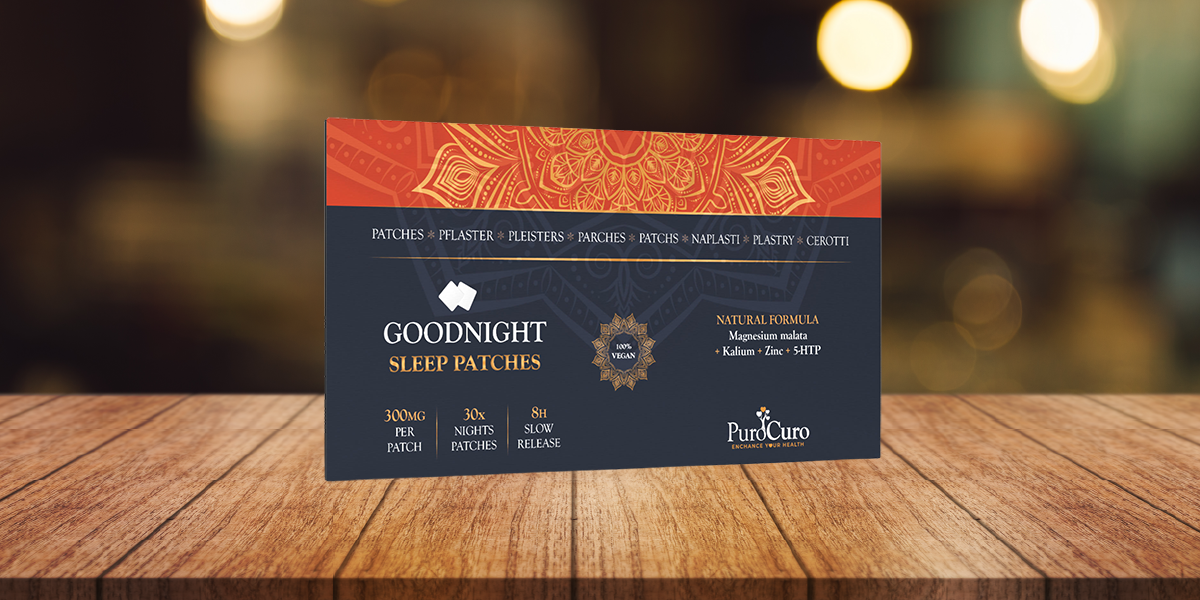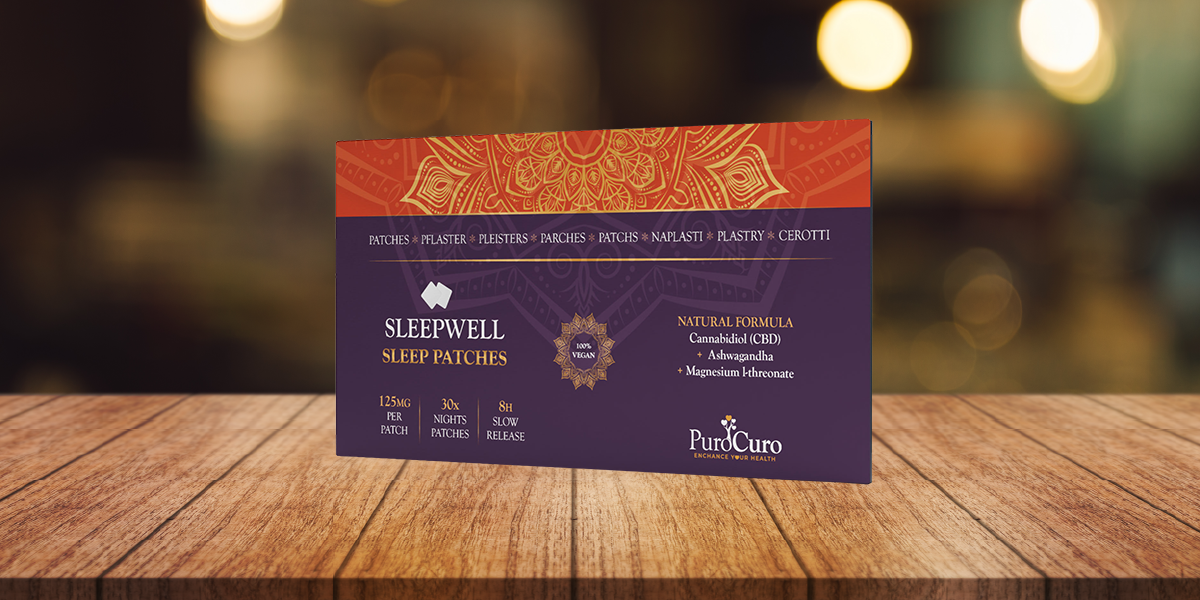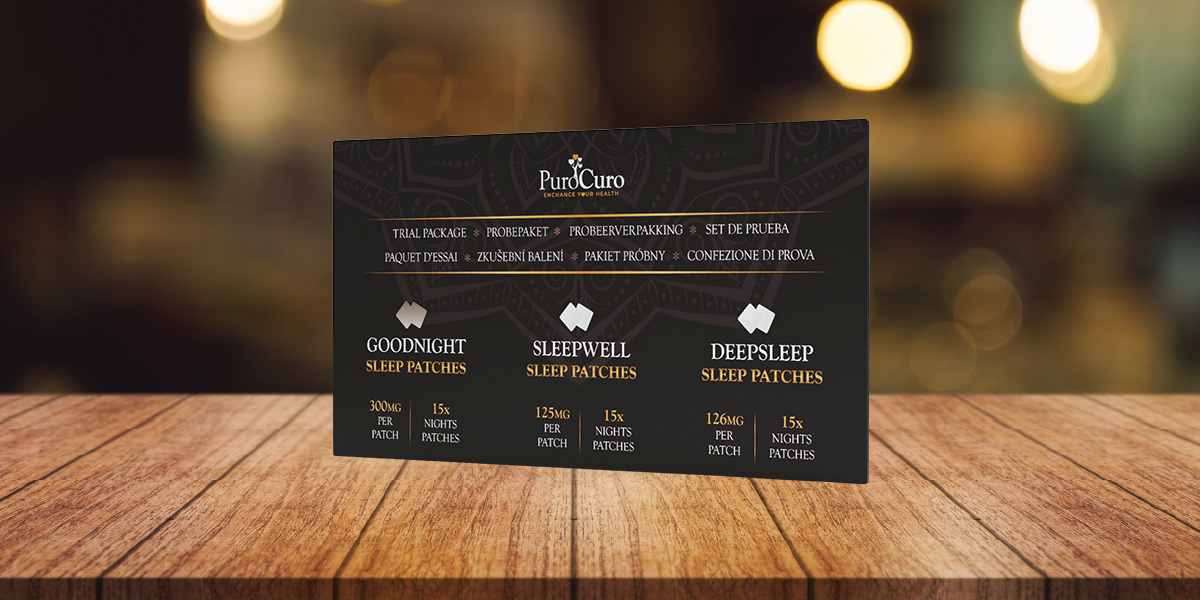
Everyone knows that getting a good night's sleep is of great importance. A good night's sleep ensures that the body can recover properly—restoring itself as needed. Unfortunately, not everyone has the opportunity to sleep well. Valerian is an ingredient that can help you sleep better; it allows your body to relax more effectively, making it easier to fall asleep.
Valerian and Sleep
Many people suffer from insomnia, which can stem from various causes. Stress, for instance, plays a significant role, but physical condition is also a factor. People going through a major life transition or those with ADHD, for example, often struggle with sleep. It is no surprise, then, that many people seek assistance when dealing with sleep issues. Valerian is a plant that was already in use over two thousand years ago in ancient Greece. This herbaceous plant has long served as a powerful remedy for those struggling with sleep problems. Ever since its discovery, it has remained a reliable, natural remedy for sleep-related difficulties.
Sleep Problems
Everyone occasionally faces the inability to sleep. This is naturally a troublesome issue, as you will almost certainly feel the effects the following day—experiencing lethargy and difficulty recalling important information. You may also struggle with concentration, and some people even become irritable. These unpleasant outcomes can be avoided by getting a good night's sleep. Of course, that is easier said than done—and this is where valerian can help.
What Exactly Is Valerian?
Valerian is also known by its Latin name, *Valeriana officinalis*. In common parlance, it is sometimes referred to as "cat grass." The plant grows primarily throughout much of Europe and Asia. It is the root of the valerian plant that is the key component. This root contains valerenic acid—a substance that functions as a neurotransmitter within the nervous system. It can enter the body in various ways; for instance, it can be ingested, or administered via patches that allow the valerian to be absorbed into the system. Capsules and pills are generally the least effective forms, as they are often composed primarily of synthetic substances that suppress the true effects of valerian.
Valerian and the nervous system
Signals travel through the nerves, producing a soothing and calming effect. Once the acid reaches the brain, it interacts with the GABA receptor—a crucial receptor that facilitates muscle relaxation and helps reduce restlessness and feelings of anxiety. Through this mechanism, valerian promotes deeper rest, ultimately helping you fall asleep more quickly.